
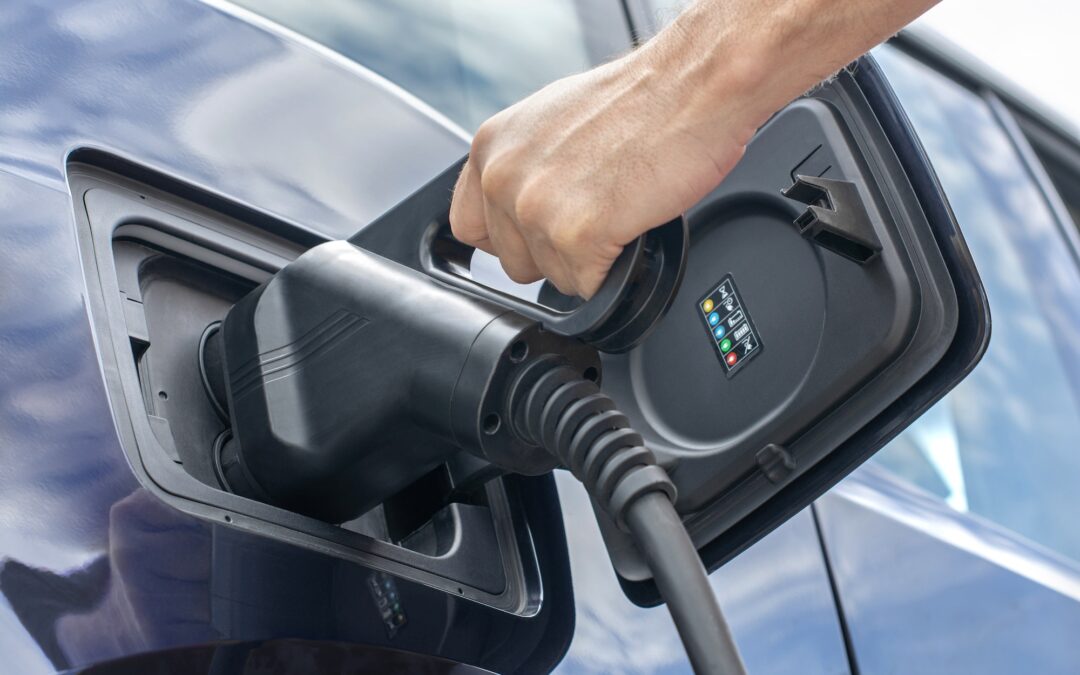
Electric vehicles (EVs) are becoming increasingly popular, and with this rise in popularity, EV charging stations are popping up everywhere. As EV owners, it can be difficult to know which type of charging station is best for you. In this article, we’ll go over the pros and cons of Level 1, Level 2, and DC Fast Charging Stations, so you can make an informed decision.
Level 1 Charging Stations
Level 1 charging stations are the most basic type of EV charging station. They use a standard household outlet to charge your EV. This type of charging station is great for those who don’t have access to a Level 2 or DC Fast Charging Station.
The biggest pro of Level 1 charging stations is that they are the most cost-effective option. They are also the easiest to install, and require no special wiring or hardware.
On the downside, Level 1 charging stations are the slowest option. It can take up to 20 hours to fully charge your EV, depending on the size of the battery. Because they use a standard household outlet, they can also be a safety hazard.
Level 2 Charging Stations
Level 2 charging stations use a 240-volt outlet and are much faster than Level 1 charging stations. They can charge your EV in as little as 4 hours. Level 2 charging stations are also more reliable, as they are less likely to be affected by power outages.
The biggest pro of Level 2 charging stations is that they are much faster than Level 1 charging stations. They are also the most common type of charging station, so they are easy to find.
The downside of Level 2 charging stations is that they are more expensive. They require special wiring and hardware, so installation can be costly. They are also less portable than Level 1 charging stations, as they require a dedicated outlet.
DC Fast Charging Stations
DC Fast Charging Stations are the fastest type of EV charging station. They use a 480-volt outlet and can charge your EV in as little as 30 minutes.
The biggest pro of DC Fast Charging Stations is that they are the fastest type of charging station. They are also the most reliable, as they are less likely to be affected by power outages.
The downside of DC Fast Charging Stations is that they are the most expensive option. They require special wiring and hardware, so installation can be costly. They are also the least common type of charging station, so they can be difficult to find.
Conclusion
When it comes to EV charging stations, there are pros and cons to each option. Level 1 charging stations are the most cost-effective and easiest to install, but they are also the slowest. Level 2 charging stations are much faster, but they are also more expensive and require a dedicated outlet. DC Fast Charging Stations are the fastest and most reliable, but they are also the most expensive and least common.
Ultimately, the decision of which type of charging station is best for you will depend on your budget, location, and charging needs. If you’re looking for more information on EV charging stations, Full Charge Energy has a great EV charging discovery form that can help you find the best option for you.